


So the other day I did a full blood analysis, checking all my metrics and I was very surprised to learn that my ferritin was very low, when I say low- it came back at 8 µg/L…but I wouldn’t know it- I wasn’t lethargic or pale by my own measure- also not anaemic. But I thought that this was a great opportunity to unpack this very essential mineral.
What is Iron?
Your body needs iron to survive but can't make it, so it must come from food. It is the same element found in the Earth's core and in steel. In the body, it works in tiny amounts to move and use oxygen.
Iron does several key jobs:
-
Carrying oxygen. Iron sits at the centre of haemoglobin, the protein in red blood cells that picks up oxygen in the lungs and delivers it around the body. It is also part of myoglobin, which stores oxygen in muscles.
-
Making energy. Iron-containing enzymes in your cells help turn food and oxygen into usable energy.
-
Supporting the brain. Iron is needed to make brain chemicals such as dopamine and serotonin, and for healthy brain development in babies and children.
-
Fighting infection. Immune cells need iron to grow and respond.
-
Building tissue. Iron helps make DNA, new cells, collagen and some hormones.
Dietary iron comes in two forms. Heme iron, from meat, fish and poultry, is absorbed easily. Non-heme iron is from plants and is absorbed less efficiently and is more affected by what you eat alongside it.
Iron is a balancing act. Too little leaves you tired and short of oxygen, while too much can damage organs. Your body manages that balance by adjusting how much it absorbs, because it has no active way to get rid of extra iron.
Common signs of low iron include tiredness, breathlessness on exertion, pale skin, cold hands and feet, brittle nails, falling hair, headaches, restless legs and cravings for ice.
How iron stores work
An adult body holds only about 3–4 grams of iron, and roughly two-thirds of it sits in haemoglobin in red blood cells. Most of the rest is held in reserve as ferritin and haemosiderin, mainly in the liver, spleen and bone marrow. Men typically carry around 1 gram in reserve; many women carry far less, sometimes only a few hundred milligrams.
The body has no active way to excrete iron. It controls its levels at the gut, using a hormone called hepcidin to absorb more when stores are low and less when they are full. Iron is lost slowly through shed cells and any bleeding, including periods.
Deficiency develops in three stages:
-
Depleted stores. Ferritin falls, but haemoglobin is still normal. You may already feel tired.
-
Iron-deficient red cell production. The bone marrow runs short of iron, and blood markers such as transferrin saturation drop.
-
Iron deficiency anaemia. Haemoglobin falls below normal and symptoms usually become clearer.
Ferritin is the best single test of your stores. A level below about 15 µg/L confirms depletion, and many clinicians treat below about 30 µg/L as low. Ferritin also rises with inflammation or infection, so a "normal" result can sometimes hide low stores.
Ways to increase your iron storage
1. Eat more heme iron
Heme iron, found in animal foods, is the most easily absorbed form. Your body takes up roughly 15–35% of it, compared with about 2–20% of plant iron. Good sources include:
-
Red meat such as beef and lamb
-
Organ meats, especially liver (limit liver if pregnant, due to its high vitamin A)
-
Shellfish such as clams, mussels and oysters
-
Dark poultry meat and oily fish like sardines
Even small portions, a few times a week, can make a real difference.
2. Build up plant iron sources
Plant (non-heme) iron is absorbed less well, so eat it often and in generous amounts. It matters most if you eat little or no meat. Reliable choices include:
-
Legumes: lentils, chickpeas, beans, tofu and tempeh
-
Seeds and nuts: pumpkin seeds, hemp seeds, sesame (tahini) and cashews
-
Whole grains: oats, quinoa and amaranth
-
Dark leafy greens: kale, chard and spinach
-
Dried fruit: apricots, figs and raisins
-
Blackstrap molasses and dark chocolate in moderation
Spinach is high in iron on paper, but its oxalates block much of the absorption. Treat it as a bonus, not a mainstay.
3. Pair iron with vitamin C
Vitamin C can multiply plant iron absorption several times over. It converts iron into a form your gut takes up more readily. Add a vitamin C source to the same meal:
-
Squeeze lemon or lime over lentils, beans or greens
-
Add red peppers, tomatoes or broccoli to stir-fries and salads
-
Have berries, kiwi or orange slices with oats
-
Eat a piece of fruit alongside a bean or tofu dish
-
Add Camu Camu to your meals, it's one of the highest sources of Vitamin C
The vitamin C needs to be in the same meal to help, not hours earlier.
4. Time tea, coffee and calcium away from iron
Some foods and drinks block iron absorption, so keep them apart from your iron-rich meals. You don't need to cut them out, just shift the timing.
-
Tea and coffee contain polyphenols that can cut iron absorption sharply. Drink them at least an hour before or after meals.
-
Calcium from dairy or supplements competes with iron. Have milk, cheese or calcium tablets at a different meal.
-
Phytates in bran and unprocessed grains bind iron.
5. Mix animal and plant iron in one meal
Meat, fish and poultry boost the absorption of plant iron eaten at the same time. Researchers call this the "meat factor". A small amount of animal protein can lift the value of a whole plate.
Try chilli with beef and kidney beans, a lentil stew with some lamb, or a salad topped with sardines and chickpeas. If you eat meat, this is one of the easiest ways to get more from every meal.
6. Soak, sprout and ferment grains and legumes
Traditional preparation methods break down phytates, freeing more iron for your body to absorb. They are simple and cost almost nothing.
-
Soak dried beans, lentils and grains overnight, then rinse before cooking
-
Sprout lentils, mung beans or seeds for a day or two
-
Ferment with sourdough bread, tempeh, miso or idli and dosa batter
These steps matter most for vegetarians and vegans, who rely entirely on plant iron.
7. Cook in cast iron
Cooking in a cast iron pan can transfer small amounts of iron into your food. The effect is strongest with acidic, moist dishes that simmer for a while, such as tomato sauce, curries and stews.
Newer, well-used pans tend to release more than heavily seasoned old ones. It's a modest boost rather than a fix on its own, but it adds up over time with no extra effort.
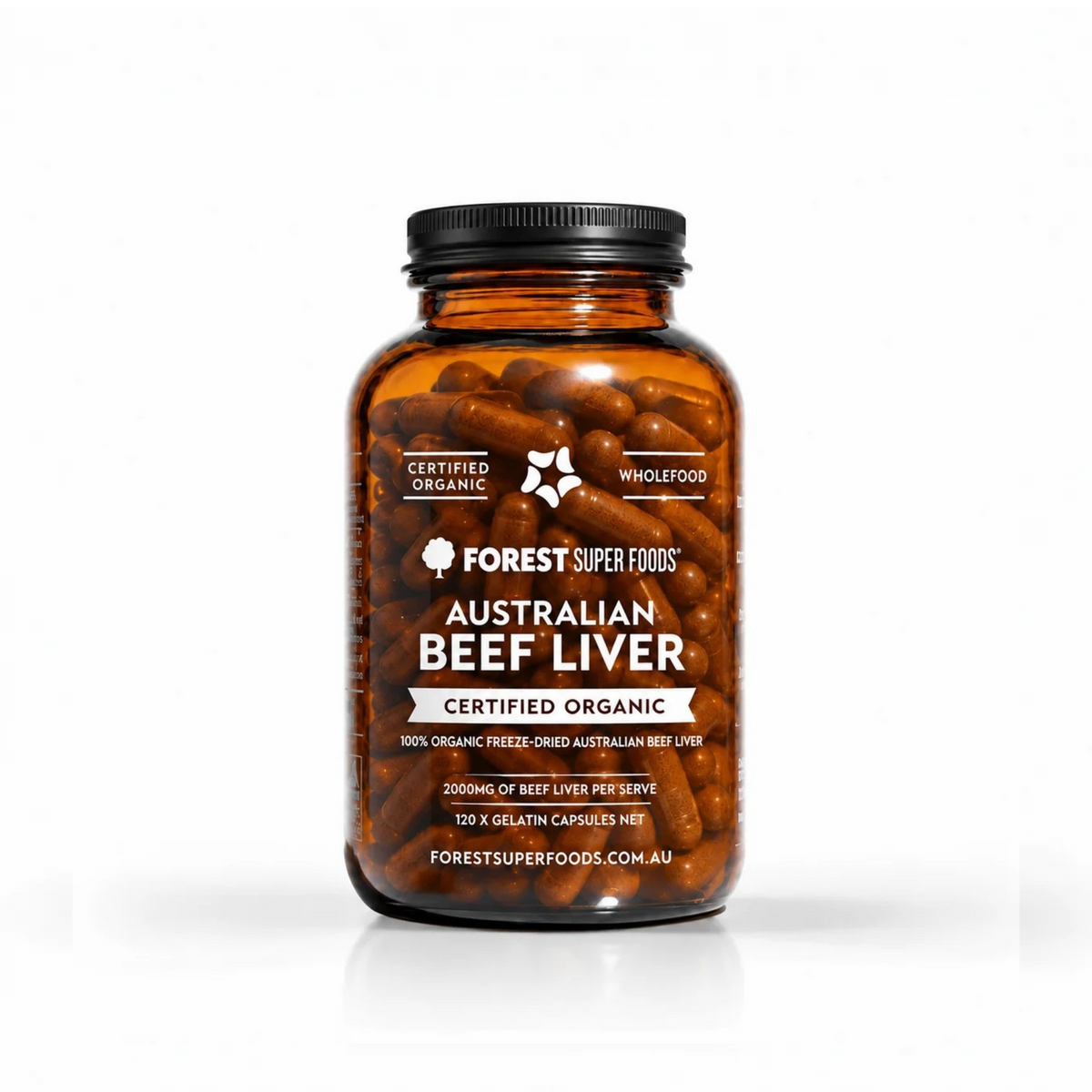
8. Beef Liver
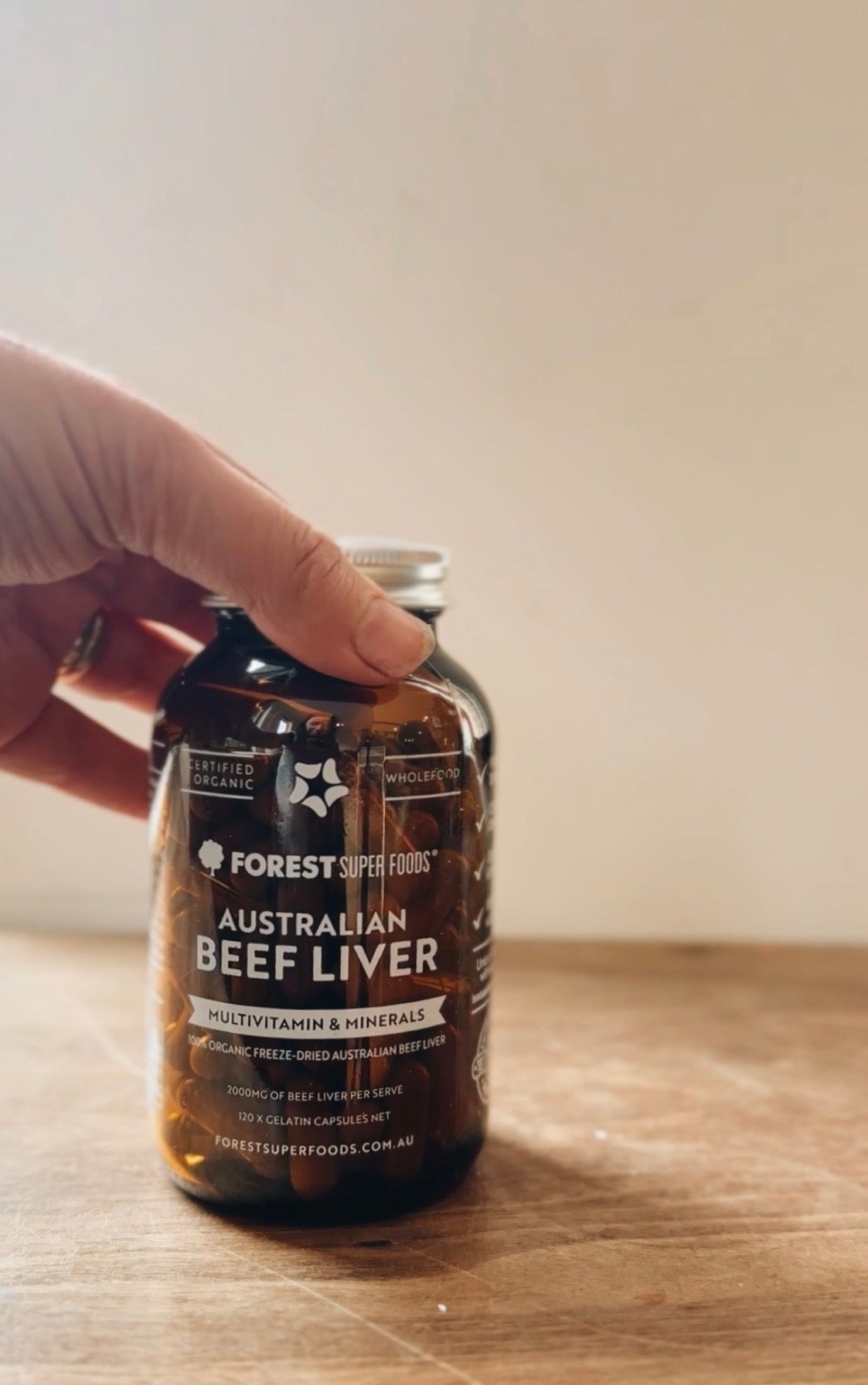
Beef liver is one of the richest food sources of iron. It has roughly 5–7 mg per 100 g cooked, about two to three times as much as beef steak. Much of that iron is in well-absorbed forms, and liver is also packed with vitamin B12, folate and copper, which all help you make healthy red blood cells.
Australian Organic Beef Liver CapsulesA powerful supplement for your health and wellness. Order Now |

|

Leave a comment
All comments are moderated before being published.
This site is protected by hCaptcha and the hCaptcha Privacy Policy and Terms of Service apply.